Home Author
Author

Lindsay Blance

Advertisement

An ordinary business trip turned into an unexpected discovery for one man. He rented a mid-range hotel room for a few days. In the evening, before going to sleep, he decided to put his things away in the bedside drawer and found a small envelope there that left him stunned.

Inside the envelope were three rare football cards with autographs of famous players. Among them was an especially valuable specimen – a card with a misprinted player’s name. According to experts, only five such cards exist in the world. The estimated value of this single find amounts to several thousand euros. The other two cards are also highly valuable to collectors.

The man immediately reported the find to the hotel administration. Hotel staff checked the check-in log for the past several months. It turned out that dozens of different guests had used the room. Who exactly had left the envelope in the nightstand remained a mystery. The administration promised to help search for the possible owner but warned that the chances were very slim.

Experts in collectible sports items note that such finds in hotel rooms are extremely rare. “People often forget phone chargers, books, or cosmetics in hotels,” comments a specialist. “But to find an envelope with cards of this level in a nightstand – that is an exceptional stroke of luck. Most likely, the previous guest was a collector who simply left the envelope behind while packing in a hurry.”

The man stated that he does not plan to keep the find if the owner is found. “I understand how precious such things can be to the person who collected them,” he says. “These are not just cards – they are part of history and memory. Let them return to their owner.” If the previous owner cannot be located, the man plans to put the cards up for a charity auction.

Advertisement

The past weekend proved to be a serious test for the transportation system of several major cities in New Zealand. The cause of the multi-kilometer traffic jams was a rugby match between local teams, which brought thousands of fans to stadiums and public viewing areas. Just hours before the game started, traffic on the approaches to sports arenas and in central city areas was virtually paralyzed.

A particularly difficult situation developed in Auckland, Wellington, and Christchurch, where the main events took place. Fans rushing to get their seats at the stadiums caused gridlock on key highways. At the same time, thousands of rugby enthusiasts gathered in sports pubs and bars to watch the match broadcast, which also led to increased pressure on roads in the entertainment districts of the cities.

Match organizers and city authorities had warned in advance about potential transport problems and urged spectators to use public transportation. However, many preferred personal vehicles, which only aggravated the situation. Representatives of road services worked in an intensified mode, regulating traffic flows and trying to minimize the consequences of the congestion.

Experts note that such traffic jams have become a common occurrence in New Zealand cities on days of major sporting events. Rugby is a national sport in New Zealand, and matches of this level traditionally attract a huge number of spectators. However, this current case once again demonstrated that infrastructure is not always ready for peak loads, especially when several cities simultaneously find themselves at the center of events.

Despite the transportation difficulties, the fans themselves were satisfied with the evening. The match turned out to be intense and spectacular, fully meeting the expectations of thousands of rugby fans. City authorities have already promised to analyze the situation and consider the possibility of improving transport links on days of major events, in order to minimize inconvenience for residents and city guests in the future.

Advertisement

Walking through the forest is always accompanied by a variety of sounds: birds singing, the wind rustling, and leaves crackling. Sometimes you might hear something unusual, for example, a shrill cry vaguely resembling a human scream. Different cultures have a belief that you shouldn’t go towards such a sound, but this advice has a very specific and logical explanation rooted in the natural world.

It turns out that some forest inhabitants, particularly hares, are capable of making sounds surprisingly similar to a human cry. This happens in stressful situations, for instance, when a hare is caught by a predator. Such a scream is a natural biological reaction, an involuntary signal not intended for human ears, but one that accidentally matches our pitch.

If you hear a similar sound deep in the forest, it means that somewhere nearby, a natural hunting process is taking place. A predator, such as a fox or a marten, has caught its prey. At that moment, the animals are occupied with their own business, and human interference could startle them. Any animal, even the most cautious one, will defend its find or simply get frightened by an unexpected guest.

Therefore, the main advice for those who enjoy quiet walks is to remain calm and not disturb the forest’s harmony. If you hear a suspicious cry, there’s no need to run to help or search for its source. It’s best to continue on your way or quietly move off in another direction, letting nature take its course. The forest is a home for many creatures, and each has its own voice and its own reasons for using it.

Thus, this old piece of folk wisdom teaches us not so much to fear the forest, but to understand it. What seems like an alarming signal is often just a part of a large and complex ecosystem. Respect for wildlife and knowledge of its peculiarities can help make your walk enjoyable and safe, leaving the forest’s inhabitants the right to their own, sometimes very unexpected, voices.

Advertisement

During the excavation of an ancient tomb belonging to one of the late imperial dynasties, an archaeological expedition made an unexpected discovery. Alongside traditional burial objects, the grave contained a well-preserved scroll that turned out to be the ruler’s personal will. This document attracted researchers’ attention not so much for its age, but for its utterly extraordinary content.

The deciphered text of the will left scholars baffled. The monarch had meticulously disposed of his domains and treasures, yet not in favor of heirs or courtiers. He bequeathed all his property, including the throne, to his domestic cat. In the document, the animal was titled as the “lawful heir and guardian of tranquility.”

Experts note that the will was drafted with all the legal rigor of its era, ruling out the possibility of a later forgery. It detailed the duties of appointed servant-regents, who were to care for the pet, ensure its sustenance, and even submit daily reports on the state of governmental affairs “for the highest information.” Historians suggest this may have been a sophisticated method to deprive ambitious relatives of power while maintaining the formal order.

Contemporary chronicles discovered nearby contain sparse mentions that the ruler’s will was carried out, at least in part. The cat did indeed live in luxury in the palace, while the state was governed by a council of close associates. However, this precedent did not lead to the establishment of a new dynasty—after the animal’s death, power passed to a military commander.

This find has sparked lively debate in academic circles. Some researchers view the document as an act of hidden satire on power or metaphorical protest. Others presume the monarch felt an exceptional personal affection for his pet, elevated to the absolute. Be that as it may, this artifact is unique: it offers a rare and eccentric glimpse into the ruler’s personality, whose true motives remain merely a subject of scientific hypotheses today.

Advertisement

During their travels, some tourists practice an unusual ritual – they place a compact mirror on the windowsill of their hotel room, turning its reflective side inside the room. This household technique, observed by hotel staff in different countries, has several rational explanations unrelated to superstitions or mysticism.

The main practical reason for this mirror placement is related to the optical expansion of space. Small hotel rooms, rooms with poor layouts, or those without windows in the interior part visually appear larger due to the reflection. This creates psychological comfort for guests staying long-term in cramped conditions.

This technique becomes particularly relevant in rooms with limited natural light. A mirror strategically positioned on the windowsill effectively redistributes sunlight deeper into the room. This allows saving electricity during daytime hours and creates more uniform lighting without sharp contrasts between the window area and the rest of the space.

Some travelers also note the function of passive observation. When positioned correctly, the mirror allows them to see the reflection of the entrance door or part of the corridor without turning their head. For solo tourists, this creates an additional sense of security, especially at night.

Despite its apparent simplicity, this life hack demonstrates how travelers adapt standard hotel conditions to their needs. Although professional interior designers use complex mirror placement schemes, tourists intuitively apply the same principles to improve the comfort of temporary accommodation.

Advertisement

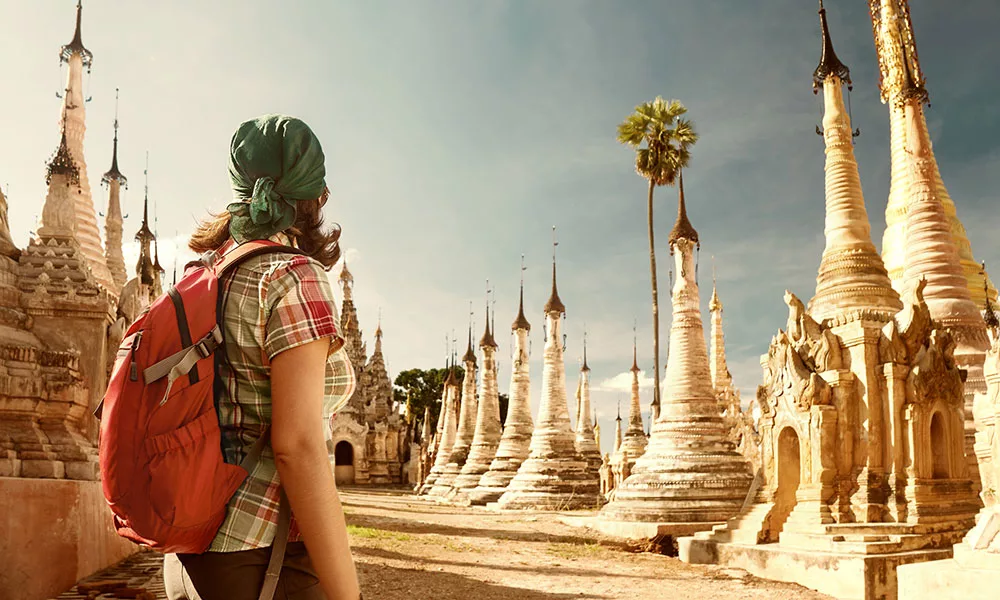
Traveling is not just about seeing landmarks; it is about experiencing life in another culture. Cultural immersion offers a deeper, more meaningful way to connect with destinations, moving beyond the surface-level view of being a tourist.

One of the most effective ways to immerse oneself is through language. Even learning a few basic phrases demonstrates respect and opens doors to more authentic interactions. Locals often appreciate the effort, and conversations become more genuine.

Food is another gateway to cultural understanding. Instead of dining only in tourist restaurants, travelers can explore local markets, take cooking classes, or accept invitations to family meals. Sharing food is a universal way of building trust and connection.

Pages: 1 2 3

Advertisement

The concept of the workplace has undergone a radical transformation in recent years. With remote work becoming the norm for many industries, a new lifestyle has emerged: digital nomadism. These are individuals who use technology to work from anywhere in the world, blending professional responsibilities with the thrill of global exploration.

Digital nomadism is not entirely new, but its growth has accelerated dramatically due to advances in communication technology and the shift toward flexible work policies. From bustling cities like Bangkok and Lisbon to tranquil beach towns in Mexico or Bali, digital nomads are reshaping the meaning of work-life balance.

Pages: 1 2 3

Advertisement

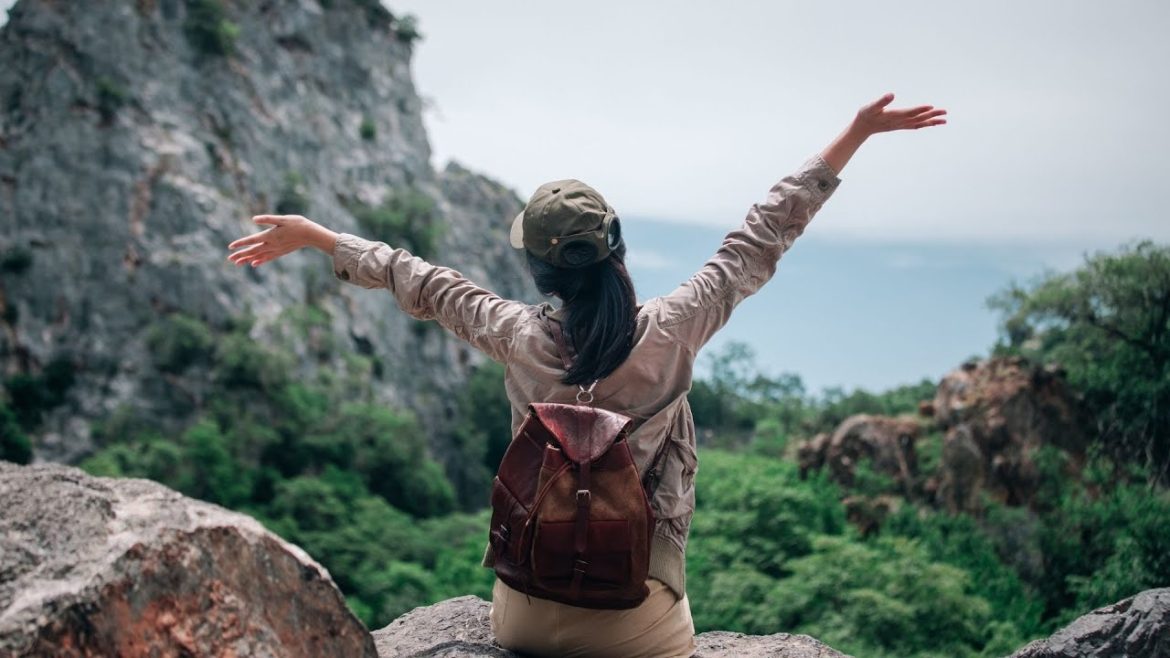
Solo travel has grown in popularity, attracting people of all ages who seek freedom, independence, and self-discovery. While traveling with friends or family can be fun, going alone opens doors to experiences that are profoundly personal and transformative.

One of the greatest benefits of solo travel is freedom. Without the need to compromise with companions, travelers can create their own itineraries, explore at their own pace, and change plans on a whim. This sense of autonomy often leads to unexpected adventures and deeper immersion in local cultures.

Pages: 1 2 3

Advertisement

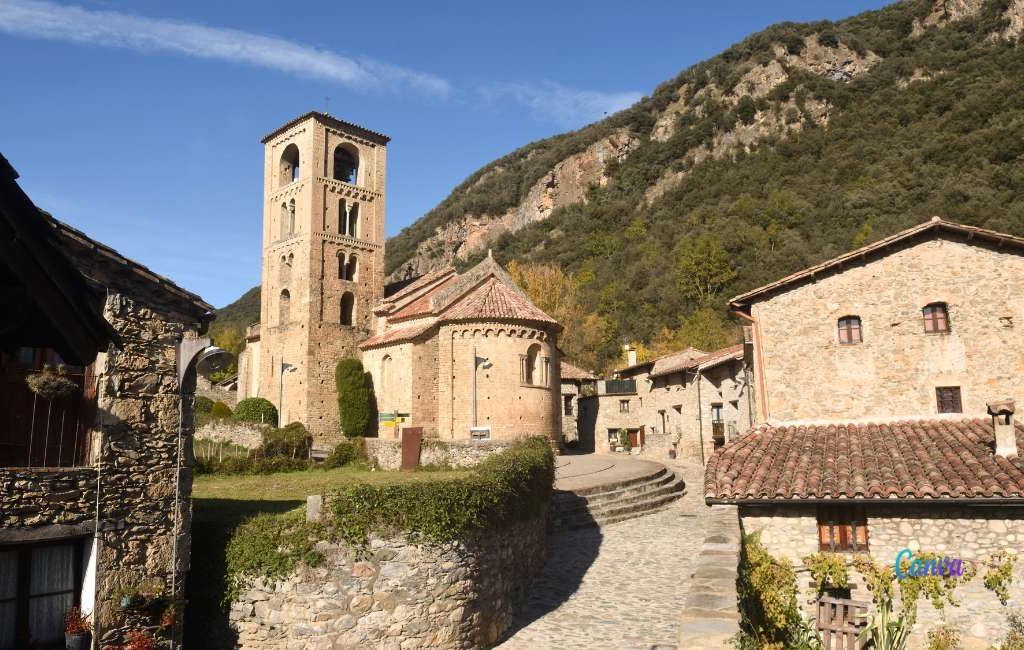
Europe is often associated with its iconic capitals—Paris, Rome, London, and Berlin. Yet, beyond these bustling metropolises lies a continent full of hidden gems waiting to be discovered. These lesser-known destinations offer authentic experiences, fewer crowds, and the charm of local traditions untouched by mass tourism.

One such place is Ljubljana, Slovenia’s capital, a city that combines medieval architecture with modern creativity. Strolling along the Ljubljanica River, visitors find themselves surrounded by vibrant cafés, street art, and music festivals. Just a short drive away lies Lake Bled, a fairytale destination with a tiny island crowned by a church in the middle of emerald waters.

Pages: 1 2 3

Advertisement

In recent years, sustainable travel has moved from being a niche concept to one of the most influential movements in the tourism industry. As climate change becomes increasingly urgent and natural resources more threatened, travelers are looking for ways to explore the world while minimizing their ecological footprint. Sustainable travel, often referred to as responsible or eco-friendly travel, is not just about reducing carbon emissions but also about respecting local cultures, supporting small businesses, and protecting biodiversity.

One of the driving forces behind sustainable tourism is the growing awareness of how traditional travel habits contribute to global warming. Air travel, mass tourism, and the overdevelopment of coastal and mountain areas have put immense pressure on ecosystems. For example, once-pristine beaches have been eroded by cruise ship traffic, and coral reefs have been damaged by careless diving and pollution. Sustainable travelers are choosing alternatives such as slower forms of transportation, carbon offset programs, and eco-certified accommodations.

Pages: 1 2 3

Advertisement

Newer Posts
logo-new2

Disclaimer of liability

This site is not intended for diagnostics. The results may vary. This information is not a direct recommendation and should not be interpreted as such. They are not a substitute for a personal consultation or an examination conducted by an authorized specialist. Consult a professional before taking supplements. The information provided should be used as a recommendation for a permanent lifestyle and does not replace a varied and balanced diet.